Why you should add snow tires to your car during winter
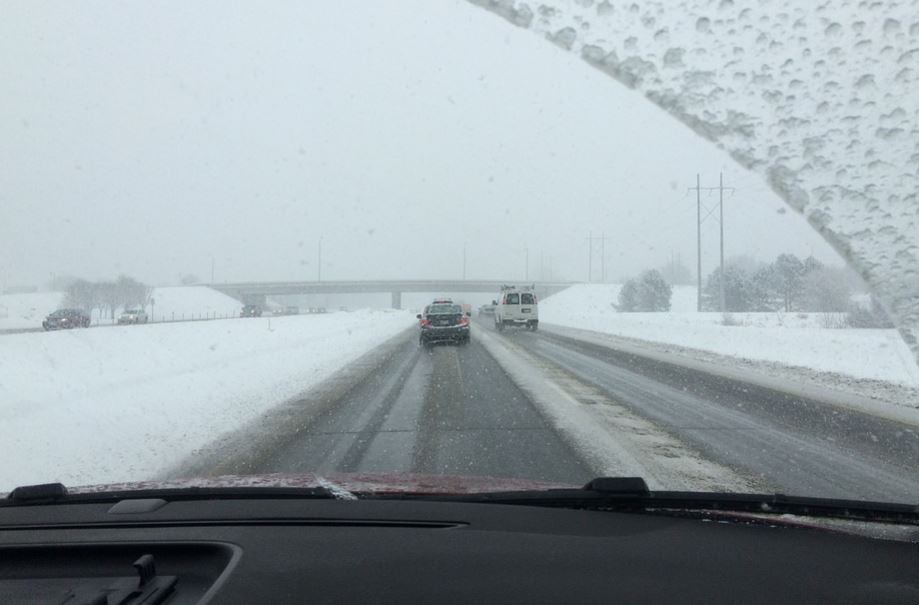
Do I need snow tires during winter? Of course, winter tires are essential when you’re driving your car during cold weather conditions. They help you to arrive at your expected destination safely. You should consider snow tires rather than all-wheel-drive to ensure your only car is well-equipped.
First, what is a snow tire? All snow tires whether studded or studless, are made to maintain and keep better traction on icy, snowy, extreme cold areas. Therefore, a snow tire is the way to go. In this guide, I’ll walk you through the importance of using snow wires.
Special Tread
Tread makes the difference. Your all-season tires may look sturdy enough, but study and compare them side-by-side with snow/winter wires. The tread is deeper, heavier and comes with many more edges known as ‘sipes’. These help it to slush and channel away snow and allow it to grip perfectly.
Special Rubber Formula
Rubber chemistry is tailored to challenge adverse conditions. Snow tires are made out of top-tech rubber compounds hence can stay flexible in extreme cold driving conditions. This proves why the tire grips the slushy roads much better. This gives room to better traction, not just on snow and ice but even on bare pavement especially when temperatures are frigid.
All-Wheel Drive isn’t Enough
‘All-season’ tires or all-wheel drive isn’t enough. According to the survey (Consumer Reports), subscribers revealed that winter tires are beneficial. It doesn’t matter whether they’ve all-wheel-drive or two-wheel-drive SUV or car. Drivers will mostly invest in all-wheel-drive thinking that they’ll arrive at their destination with no drama.
Electronic aids like stability systems, antilock brakes, and traction control further boost their self-confidence. Nonetheless, I learned that there is no shortcut for snow wires in heavy snow conditions. Their treads design prevents your car from skidding and bolsters more control.
In The Long Run, You May Save Money
By switching all-wheel drive for snow wires you prolong the life of your car’s original rubber. Also, with better control, you’ll stay away from accidents that result in costly repairs, higher insurance rates, or a need for a costly tow. This is an idea that all drivers would like, but you must do away with all-season tires.
Keep your loved ones and family safe on your journey. In every aspect, safety is an important feature when it comes to tires. You’ve to travel with confidence when making a trip in extremely cold conditions. So equip your car with reliable winter tires as you enjoy your vacation.
–– Article courtesy Missouri City Towing Services